


Ragdoll Fighter
4.3603.00 Reviews
App Specs
- Version
- 1.0.7
- Updated On
- License
- Free
- Downloads
- 5,000,000+
- Developer
- Enderun Studios
- Categories
- Arcade
- Platform
- Android, iOS
Screenshots

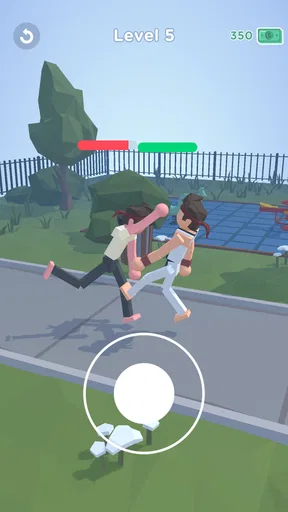
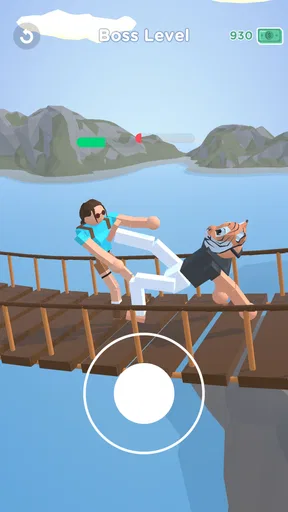
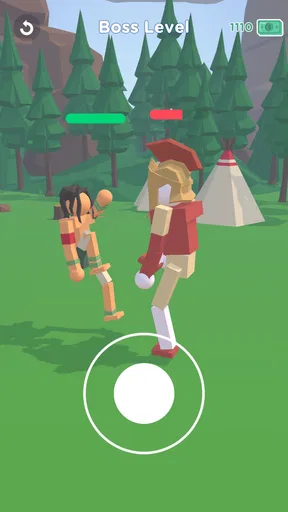
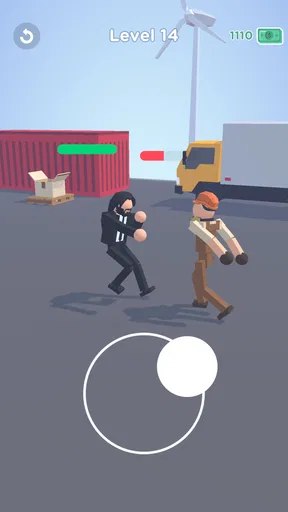

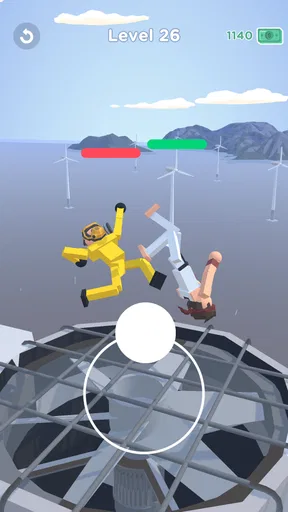
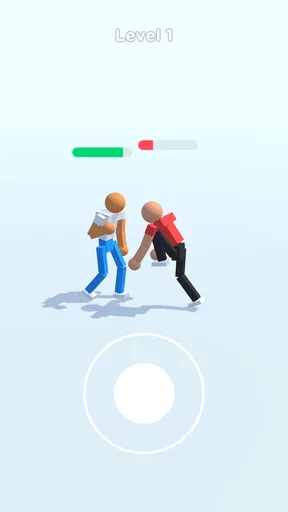
 Analysis by AppCompare
Ragdoll Fighter is the kind of arcade game I pick up when I want a quick burst of silly, physical combat rather than a serious fighting simulation. Its central appeal is easy to understand: control a floppy fighter, take on opponents, and try to work your way toward becoming the next champion. The ragdoll presentation gives every clash a loose, unpredictable feel, so even a simple exchange can end with a surprising tumble.
After spending time with it, I see the game as a lightweight, casual-friendly brawler with a deliberately chaotic personality. It is not trying to replace a technical fighter built around precise combos, frame timing, or a large competitive roster. Instead, it turns the awkward movement of a ragdoll into the main source of entertainment. That makes it immediately approachable, although it also means players looking for deep control may eventually notice the limits of the format.
How the fights feel in everyday play
The first thing I noticed was how quickly a match can become entertaining. There is very little mental preparation needed: I can open the game, get into a fight, and understand the basic objective almost immediately. That fast entry is valuable when I have only a few minutes, such as while waiting for an appointment or taking a short break between tasks.
The speed of the experience comes less from complicated mechanics and more from the way the characters move and collide. A fighter does not always behave with the clean precision I would expect from a traditional arcade combat game. Limbs can swing awkwardly, bodies can fold into strange positions, and a hit may create a chain of movement that looks funnier than it looks tactical. I found that unpredictability gives ordinary encounters a little suspense.
That same looseness is also the main trade-off. If you prefer every action to respond with exact consistency, the ragdoll style may feel imprecise rather than amusing. I sometimes had to accept that the outcome of an exchange was shaped by momentum and positioning in ways I could not fully control. The game is more enjoyable when I treat those moments as part of the joke instead of judging them by the standards of a conventional fighting game.
The short-description label, “Ragdoll Fighter,” is a fair summary of the experience, but it does not explain the particular rhythm of playing. I am not spending most of my time studying elaborate move lists. I am watching for opportunities to strike, recover from an awkward landing, and keep enough control to avoid letting the opponent dictate the encounter. That makes the game accessible to people who do not normally play fighting games.
What makes the combat more interesting than it first appears
One useful approach is to stop treating every movement as a direct attack. In my experience, the best moments often come from creating a favorable position before committing to a hit. If my fighter is already off balance, rushing forward can turn a promising attack into a harmless flop. Waiting briefly for a better angle can be more effective than constantly tapping or pushing for action.
Worth Reading Before You Choose

EA SPORTS FC Mobile 26 Is a Bigger Football Game, but It Takes Time

Flipboard Shows What News Apps Must Do Beyond the Feed

Switching to Android Auto Means Rethinking Your Driving Routine

Google Calendar Makes a Crowded Week Easier to Manage

Ludo King Makes the Most of the Minutes Between Plans

Baby Panda World Brings Quick Play to Modern Phones, but Its Game Library Feels Busy
This is a small but important distinction. A new player may assume the game is entirely random because the characters move so loosely. I found that some of the chaos can be managed by paying attention to spacing and recovery. The controls still produce unpredictable-looking results, but a player who avoids attacking from a poor stance will usually have a better chance of staying involved in the fight.
Another practical tip is to watch what happens immediately after contact rather than focusing only on the hit itself. A successful strike may leave either fighter in a vulnerable position. If I celebrate the impact and stop thinking, I can lose the advantage during the next movement. The game rewards a modest amount of patience, even though its presentation encourages frantic reactions.
How it handles longer sessions
Ragdoll Fighter works best for me in short sessions, but I also tested the question that matters to regular players: does the novelty survive repeated play? The answer depends heavily on what I want from an arcade game. If I enjoy funny physics, quick confrontations, and the satisfaction of gradually getting better at a simple control style, the format remains pleasant for longer stretches.
If I need a deep progression system or a large amount of strategic variety, the experience feels narrower. The ragdoll concept is strong enough to carry the first few sessions, but it cannot by itself provide the same breadth as a more content-heavy fighting game. This is not necessarily a flaw; it is a reason to understand the intended use. I would rather play it in several compact bursts than expect it to occupy an entire evening like a full competitive fighter.
Heavy-use moments are most likely to happen when I replay encounters repeatedly, experiment with different approaches, or keep going after a particularly funny defeat. Those sessions put more emphasis on consistency than a single quick match does. A game that feels charming for ten minutes can become frustrating if the same unpredictable interaction keeps deciding the result. I found it helpful to pause after a few unsuccessful attempts instead of turning a casual game into a forced grind.
That habit also makes the game feel faster overall. When I play with a specific small goal—survive longer, improve positioning, or avoid repeating the same mistake—I get more value from each session. When I play without any focus, the unusual physics can blur together. The difference is subtle, but it affects whether the game feels like a playful challenge or just a sequence of random collisions.
Stability and recovery after interruptions
For a mobile game, reliability is not only about whether it launches. I also care about how easy it is to return after an interruption. In real use, I may receive a call, switch to another app, or lock the screen while a match is in progress. A game designed for casual sessions should fit that behavior naturally, and this one makes the most sense when I treat each play period as disposable and compact.
I would still avoid assuming that every interruption will be harmless on every phone. Android devices manage background apps differently, and an older or crowded device may handle returning to a game less smoothly than a newer one. That is a general mobile consideration rather than a special promise about this title, but it matters here because the game’s appeal depends on quick, low-commitment access.
When I return to a game after a break, I prefer to spend a moment reorienting myself rather than immediately making a risky move. The ragdoll controls are not the sort that reward blindly resuming action. Taking a second to see the fighter’s position can prevent an avoidable loss, particularly if the previous exchange ended with the character in an awkward pose.
The current release is version 1.0.7, and the game comes from Enderun Studios. Those details are useful when checking whether my device is running the intended build, especially if I encounter behavior that seems unusual. I would keep the installation current through the normal store process, since updates are the first sensible step when troubleshooting a mobile game.
Device requirements and resource expectations
The minimum requirement is Android 7.0, which makes the game accessible to a fairly broad range of Android devices. That does not mean every compatible phone will deliver exactly the same experience. Hardware age, available storage, background activity, and the condition of the operating system can all affect how comfortably a game runs.
My expectation would be that a simple arcade presentation should be less demanding than a visually elaborate 3D action game, but I would not turn that expectation into a guarantee about battery use, memory, heat, or frame behavior. Those factors vary with the phone and with what else is running. Someone using an older handset should close unnecessary apps before a longer session and avoid judging the game from a device that is already struggling with everyday tasks.
There is also a practical difference between being able to install a game and enjoying it. A phone may meet the operating-system requirement while still having a tired battery or little free space. Ragdoll Fighter is best suited to players who want a compact arcade option, not to someone trying to maximize every last minute of battery life during travel. If conserving power is the priority, a shorter session and reduced background activity are more sensible than expecting any game to be completely free of resource demands.
On iOS, I would first check the current store compatibility for the particular device rather than assume that the Android requirement translates directly. The confirmed minimum operating-system detail applies to Android, so iPhone and iPad users should use the platform’s own listing as the final installation check. That is especially important for anyone using an older Apple device.
Free access, age suitability, and spending choices
The game is free to download, which makes it easy to try without committing money at the start. It is rated Teen, so I would not automatically treat it as a children’s game even though the ragdoll style can look cartoonish. Parents should review the store’s age guidance and decide whether the tone and combat are suitable for the particular child.
In-app purchases range from $1.99 to $19.99 per item. I consider that worth noting before handing the phone to a younger player. The free entry point is convenient, but a player who becomes invested in the game may encounter optional spending decisions. I would set purchase controls in advance, especially on a shared device, rather than relying on a child to understand the difference between a playful arcade session and a real transaction.
For my own use, the best way to approach the free version is to play first and decide later whether any purchase adds enough value. I would not pay simply because the opening matches are entertaining. The game’s core appeal is the ragdoll combat itself, so a purchase should be judged by whether it improves my personal enjoyment over time, not by the pressure of wanting to progress faster.
This also affects who should skip it. Players who dislike in-app purchase prompts, even when the initial download costs nothing, may prefer a paid arcade game with a clearer one-time model. Likewise, anyone seeking a serious esports-style fighter will probably be happier with a title built around precise controls and a more structured competitive design.
Who will enjoy it, and who will outgrow it
I would recommend it to someone who likes physics-based humor, quick arcade rounds, and games that can be understood without a tutorial-heavy learning curve. It is a good fit for a casual player who wants something amusing during small gaps in the day. It can also work for friends sharing a phone and laughing at unexpected outcomes, provided everyone understands that the ragdoll behavior is part of the design rather than a mistake to be eliminated.
I would be more cautious about recommending it to a player who wants long-term mastery through exact inputs. Traditional fighting games offer clearer feedback for blocking, spacing, combos, and punishments. A competitive player may find the loose movement less satisfying because the result of an exchange can feel less directly connected to a carefully planned sequence.
Compared with endless runners, this game offers more direct confrontation and less emphasis on memorizing a route. Compared with physics puzzle games, it gives the physical simulation a fighting-game purpose rather than asking me to solve a static challenge. Compared with heavyweight fighting games, it is easier to start but less likely to satisfy someone who wants a large strategic system. Those differences make the choice fairly simple: pick this one for playful combat, not for tournament-level precision.
A realistic everyday scenario shows where it fits. Suppose I have a ten-minute break before leaving for work. I can use that time for a few encounters, enjoy the absurd movement, and stop without needing to remember a complicated story or a long chain of objectives. If I instead have a quiet evening and want a game that rewards detailed planning for hours, I would choose a deeper fighter or a more substantial arcade package.
Small habits that improve the experience
The most useful habit I developed was to separate experimentation from serious attempts. During an experimental round, I try unusual movements and learn how the fighter reacts. During a serious round, I keep the plan simple and avoid repeating a mistake just because the previous collision looked funny. This prevents the physics from turning every match into the same uncontrolled scramble.
I also recommend playing with a stable grip and enough screen space to see the action clearly. That may sound obvious, but ragdoll movement makes visual awareness more important than it first appears. A cramped grip or accidental touch can make an already loose encounter feel even less predictable. I get better results when I focus on the fighter’s body position rather than tapping rapidly out of frustration.
Finally, I would judge progress by decision-making rather than only by wins. Learning when not to attack, recognizing a poor recovery position, and choosing patience over panic are meaningful improvements in this game. That perspective makes the experience less dependent on a perfect result and helps reveal the small amount of control beneath the comic physics.
My performance verdict
Ragdoll Fighter is a focused arcade game that understands its strongest idea: floppy combat can be funny, accessible, and surprisingly engaging in short bursts. Enderun Studios keeps the premise easy to grasp, while the ragdoll movement gives ordinary fights enough unpredictability to make repeated encounters entertaining for the right audience.
Its limitations are equally clear. The loose physics may frustrate players who expect exact responses, extended sessions can expose the narrowness of the concept, and the Teen rating plus in-app purchases are worth considering before sharing it with younger players. Device performance should also be judged realistically: Android support begins at 7.0, but actual smoothness and battery behavior depend on the phone and its condition.
The game has an average rating of 4.3 from around seven thousand ratings and has passed five million installs, which suggests that its simple idea has reached a substantial casual audience. I would not use popularity as a substitute for personal taste, but those figures fit my impression that the game is easy to understand and broadly approachable.
My final recommendation is straightforward. Try it if you want a free arcade brawler built around comic ragdoll movement and quick sessions. Keep your expectations modest, play with the physics rather than fighting against them, and decide about purchases only after you know whether the novelty lasts for you. Its best quality is not technical depth but the immediate, unpredictable fun of watching a simple fight go wonderfully wrong.
Pros
- Simple controls make it easy to pick up and play.
- Physics-based fights create funny
- unpredictable moments.
- Short matches are ideal for quick gaming sessions.
- Various weapons and arenas add some combat variety.
- Bright cartoon visuals work well on smaller screens.
Cons
- Ragdoll physics can sometimes make attacks feel imprecise.
- Gameplay may become repetitive after extended sessions.
- Ads can interrupt the experience for free players.
- Difficulty may feel uneven in later battles.
- Limited customization reduces long-term personalization.
FAQs for Ragdoll Fighter
What is Ragdoll Fighter and how does the gameplay work?
Ragdoll Fighter is a physics-based fighting game centered on flexible, floppy characters and unpredictable combat. You control your fighter by moving, aiming, and timing attacks while the ragdoll physics affect every punch, kick, jump, and fall. Matches are usually quick and chaotic, making the game easy to start but surprisingly challenging when you try to control movement precisely.
Is Ragdoll Fighter free to download and play?
Ragdoll Fighter can generally be downloaded for free, although the exact availability of advertisements, optional purchases, or premium content may depend on the version and platform. The basic experience is designed to be accessible without paying, but players may encounter ads between matches or find cosmetic items, upgrades, or other extras offered through in-app purchases.
Can Ragdoll Fighter be played offline?
Many of the game’s basic modes can usually be played without a continuous internet connection, which makes Ragdoll Fighter suitable for short sessions while traveling or when mobile data is unavailable. However, an internet connection may still be required for advertisements, updates, online features, cloud saves, or certain events. Check the store description for the current version’s requirements.
Is Ragdoll Fighter suitable for children?
Ragdoll Fighter has simple controls and cartoon-style visuals, so it may be approachable for younger players. Nevertheless, it is still a fighting game featuring physical attacks and repeated combat. Parents should review the age rating, advertising, and in-app purchase information before installation, especially if children use the device independently. The game’s difficulty and controls may also require some patience.
What devices are compatible with Ragdoll Fighter?
Compatibility depends on the particular Android or iOS release, as well as the operating system version and device hardware. Because the game uses physics simulations, older phones or tablets may experience slower performance, reduced frame rates, or occasional control issues. Before downloading, compare your device’s operating system version with the requirements shown on the official app store page.


